Buy live-casino.eu ?
We are moving the project
live-casino.eu .
Are you interested in purchasing the domain
live-casino.eu ?
domain@kv-gmbh.de · 0541-91531010
Buy live-casino.eu ?
What is a pulse-shaping time relay?
A pulse-shaping time relay is a type of relay that is used to control the timing of a signal or pulse. It is designed to shape the duration and timing of the output signal based on the input signal it receives. This type of relay is commonly used in applications where precise timing control is required, such as in industrial automation, process control, and instrumentation systems. The pulse-shaping time relay can be programmed to delay, pulse, or extend the timing of the output signal to meet the specific requirements of the application. **
What is a pulse shaping time relay?
A pulse shaping time relay is a type of relay that is used to control the timing of a signal or event by shaping the duration of the output pulse. It allows for precise control over the timing of a process by adjusting the pulse width or delay time. This type of relay is commonly used in industrial automation and control systems where accurate timing is critical for the operation of machinery or equipment. Pulse shaping time relays are versatile and can be programmed to meet specific timing requirements for a wide range of applications. **


Similar search terms for Pulse
Top-Angebote
Products related to Pulse:
-
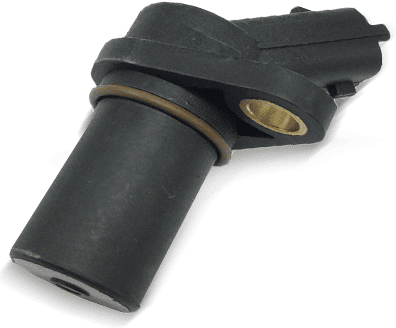
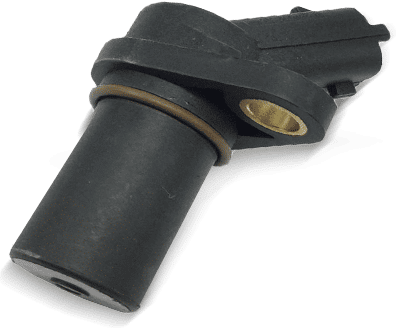
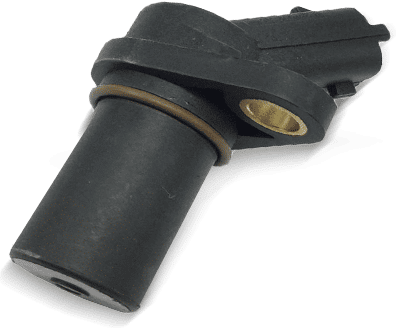
METZGER 0903235 Sensor, ignition pulseNumber of pins: 2; Supplementary Article / Supplementary Info Info 2: without cable; Colour: black; Version: IAM; Construction Year from: 08/1996, 09/1997; Construction Year to: 09/2000, 10/2002, 12/2001; TecDoc Engine Number: 1588920,49 £*Shipping: 8,45 £Secure redirect to the provider

-
What causes a high pulse the first time?
A high pulse the first time can be caused by a variety of factors, including physical activity, stress, anxiety, caffeine, or certain medications. When the body experiences any of these factors for the first time, it may respond with an increased heart rate as it adjusts to the new stimuli. Additionally, underlying medical conditions such as fever, dehydration, or anemia can also cause a high pulse the first time it is measured. It is important to monitor and track any unusual changes in heart rate and consult a healthcare professional if necessary. **
-
At what pulse rate is the pulse too high when jogging?
The pulse rate that is considered too high when jogging varies from person to person, but a general guideline is that a pulse rate above 185 beats per minute may be too high for most individuals. It's important to listen to your body and pay attention to any symptoms of dizziness, lightheadedness, or chest pain, which may indicate that your pulse rate is too high. If you experience these symptoms, it's important to slow down, stop jogging, and seek medical attention if necessary. **
-
Is my pulse okay?
It is important to know what your normal resting pulse rate is, as it can vary depending on factors such as age, fitness level, and overall health. A normal resting pulse rate for adults is typically between 60-100 beats per minute. If your pulse rate falls within this range, it is generally considered normal. However, if you are experiencing any symptoms such as dizziness, shortness of breath, or chest pain, it is important to consult with a healthcare professional to determine if your pulse rate is okay. **
-
Is the pulse palpable?
Yes, the pulse is palpable. The pulse can be felt by placing fingers on certain pulse points on the body, such as the wrist, neck, or groin. The strength and regularity of the pulse can provide important information about a person's cardiovascular health. If the pulse is weak, irregular, or difficult to find, it may indicate an underlying medical condition that requires further evaluation. **

Is the pulse normal?
To determine if a pulse is normal, it is important to consider the individual's age, fitness level, and any underlying health conditions. A normal resting pulse for adults is typically between 60-100 beats per minute. However, athletes and very fit individuals may have lower resting heart rates. It is also important to consider the rhythm and strength of the pulse, as irregular or weak pulses may indicate an underlying issue. Therefore, it is best to consult a healthcare professional to determine if a pulse is normal for a specific individual. **
What causes a high pulse rate the first time?
A high pulse rate the first time can be caused by various factors such as physical exertion, stress, anxiety, caffeine intake, or dehydration. When the body is under stress or engaging in physical activity, the heart rate increases to pump more oxygen-rich blood to the muscles. Additionally, certain medical conditions or medications can also lead to an elevated pulse rate. It is important to monitor your pulse rate and consult a healthcare professional if you have concerns about your heart rate. **
Top-Angebote
Products related to Pulse:
-
Uplift Essentials Smart Pulse Interactive Electronic Motion Ball orangeIgnite your pets natural hunting instincts with the Intelligent Pet Toy Ball, the ultimate hightech solution for solo play. This electronic pet interactive toy is engineered to move, bounce, and roll autonomously, providing endless mental and...39,97 $*Shipping: 0,00 $Secure redirect to the provider
-
Masimo Rad-97 Pulse Oximeter""" Rad-97 Pulse Oximeter The Rad-97 Bedside Monitor combines advanced Masimo SET pulse oximetry with a customizable, user-friendly design , offering precise and reliable monitoring in various clinical settings. This product comes with a 12ft patient..."1989,00 $*Shipping: 0,00 $Secure redirect to the provider
-
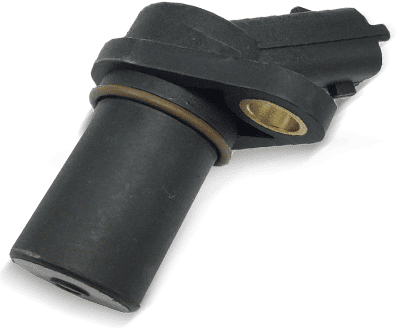
METZGER 0903235 Sensor, ignition pulseNumber of pins: 2; Supplementary Article / Supplementary Info Info 2: without cable; Colour: black; Version: IAM; Construction Year from: 08/1996, 09/1997; Construction Year to: 09/2000, 10/2002, 12/2001; TecDoc Engine Number: 1588920,49 £*Shipping: 8,45 £Secure redirect to the provider
-
What is a pulse-shaping time relay?
A pulse-shaping time relay is a type of relay that is used to control the timing of a signal or pulse. It is designed to shape the duration and timing of the output signal based on the input signal it receives. This type of relay is commonly used in applications where precise timing control is required, such as in industrial automation, process control, and instrumentation systems. The pulse-shaping time relay can be programmed to delay, pulse, or extend the timing of the output signal to meet the specific requirements of the application. **
-
What is a pulse shaping time relay?
A pulse shaping time relay is a type of relay that is used to control the timing of a signal or event by shaping the duration of the output pulse. It allows for precise control over the timing of a process by adjusting the pulse width or delay time. This type of relay is commonly used in industrial automation and control systems where accurate timing is critical for the operation of machinery or equipment. Pulse shaping time relays are versatile and can be programmed to meet specific timing requirements for a wide range of applications. **
-
What causes a high pulse the first time?
A high pulse the first time can be caused by a variety of factors, including physical activity, stress, anxiety, caffeine, or certain medications. When the body experiences any of these factors for the first time, it may respond with an increased heart rate as it adjusts to the new stimuli. Additionally, underlying medical conditions such as fever, dehydration, or anemia can also cause a high pulse the first time it is measured. It is important to monitor and track any unusual changes in heart rate and consult a healthcare professional if necessary. **
-
At what pulse rate is the pulse too high when jogging?
The pulse rate that is considered too high when jogging varies from person to person, but a general guideline is that a pulse rate above 185 beats per minute may be too high for most individuals. It's important to listen to your body and pay attention to any symptoms of dizziness, lightheadedness, or chest pain, which may indicate that your pulse rate is too high. If you experience these symptoms, it's important to slow down, stop jogging, and seek medical attention if necessary. **
Similar search terms for Pulse
-
PREXAparts P301016 Sensor, ignition pulseNumber of pins: 3; Voltage [V]: 12; TecDoc Engine Number: 22149; Construction Year to: 08/2005, 11/2005, 10/2005, 12/2015, 12/2011, 12/2014; Engine Number to: 30134434, 30497543, 40086332; Required quantity: 2; Fitting Position: both sides13,49 £*Shipping: 8,45 £Secure redirect to the provider
-
Is my pulse okay?
It is important to know what your normal resting pulse rate is, as it can vary depending on factors such as age, fitness level, and overall health. A normal resting pulse rate for adults is typically between 60-100 beats per minute. If your pulse rate falls within this range, it is generally considered normal. However, if you are experiencing any symptoms such as dizziness, shortness of breath, or chest pain, it is important to consult with a healthcare professional to determine if your pulse rate is okay. **
-
Is the pulse palpable?
Yes, the pulse is palpable. The pulse can be felt by placing fingers on certain pulse points on the body, such as the wrist, neck, or groin. The strength and regularity of the pulse can provide important information about a person's cardiovascular health. If the pulse is weak, irregular, or difficult to find, it may indicate an underlying medical condition that requires further evaluation. **
-
Is the pulse normal?
To determine if a pulse is normal, it is important to consider the individual's age, fitness level, and any underlying health conditions. A normal resting pulse for adults is typically between 60-100 beats per minute. However, athletes and very fit individuals may have lower resting heart rates. It is also important to consider the rhythm and strength of the pulse, as irregular or weak pulses may indicate an underlying issue. Therefore, it is best to consult a healthcare professional to determine if a pulse is normal for a specific individual. **
-
What causes a high pulse rate the first time?
A high pulse rate the first time can be caused by various factors such as physical exertion, stress, anxiety, caffeine intake, or dehydration. When the body is under stress or engaging in physical activity, the heart rate increases to pump more oxygen-rich blood to the muscles. Additionally, certain medical conditions or medications can also lead to an elevated pulse rate. It is important to monitor your pulse rate and consult a healthcare professional if you have concerns about your heart rate. **
* All prices are inclusive of VAT and, if applicable, plus shipping costs. The offer information is based on the details provided by the respective shop and is updated through automated processes. Real-time updates do not occur, so deviations can occur in individual cases. ** Note: Parts of this content were created by AI.