Buy live-casino.eu ?
We are moving the project
live-casino.eu .
Are you interested in purchasing the domain
live-casino.eu ?
domain@kv-gmbh.de · 0541-91531010
Buy live-casino.eu ?
Where is the clutch slave cylinder located in a Skoda Octavia?
The clutch slave cylinder in a Skoda Octavia is typically located on the transmission housing, near the clutch release mechanism. It is usually mounted on the outside of the transmission, close to the clutch fork. To access and replace the clutch slave cylinder, the transmission may need to be partially removed for easier access. It is important to consult the vehicle's manual or seek professional help when working on the clutch system. **
Where is the clutch slave cylinder located in the VW Polo 6N 1.0?
The clutch slave cylinder in the VW Polo 6N 1.0 is typically located on the transmission housing, near the clutch release mechanism. It is connected to the clutch master cylinder via hydraulic lines and is responsible for transferring hydraulic pressure to disengage the clutch when the clutch pedal is pressed. The exact location may vary slightly depending on the specific model year and engine configuration of the vehicle. **

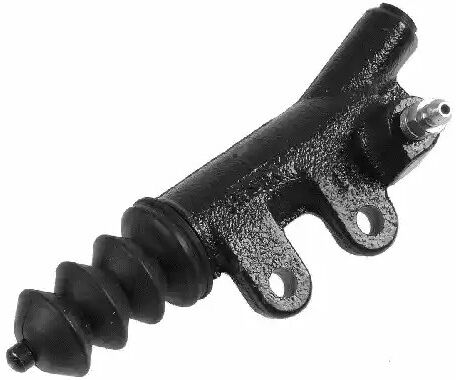
Similar search terms for AISIN-CRT-113-Clutch-slave
Top-Angebote
Products related to AISIN-CRT-113-Clutch-slave:
-
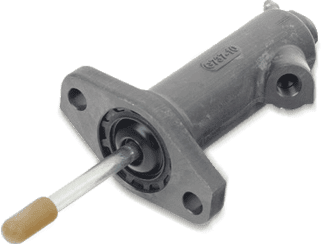
AISIN CRT-010 Clutch slave cylinderDiameter: 20,6; Construction Year to: 12/1994, 11/1987, 06/2000, 08/2002; Construction Year from: 11/1994, 12/1984, 12/1985; Vehicle type: Carina II; Left-/right-hand drive vehicles: for left-hand/right-hand drive vehicles, for left-hand drive vehicles33,49 £*Shipping: 8,45 £Secure redirect to the provider


-
Why is the clutch engaging late?
The clutch may be engaging late due to several reasons, such as low clutch fluid levels, a worn clutch disc, or a misadjusted clutch linkage. Additionally, a malfunctioning clutch master cylinder or slave cylinder could also cause the clutch to engage late. It is important to have the clutch system inspected by a professional mechanic to determine the exact cause of the late engagement and address it promptly to prevent further damage to the clutch components. **
-
Is 113 okay?
Yes, 113 is generally considered to be okay. It falls within the range of typical blood pressure readings for adults, which is usually around 120/80. However, it's always best to consult with a healthcare professional to determine if this reading is okay for your specific health situation. If you have concerns about your blood pressure, it's important to seek medical advice. **
-
Why is the electronic clutch not engaging?
The electronic clutch may not be engaging due to a faulty clutch actuator or sensor. It could also be caused by a malfunction in the electronic control unit (ECU) that controls the clutch engagement. Additionally, low hydraulic fluid levels or a worn clutch disc could prevent the clutch from engaging properly. It is important to have the system diagnosed by a professional to determine the exact cause of the issue. **
-
Why is the clutch engaging too quickly?
The clutch may be engaging too quickly due to several reasons. One possible reason is that the clutch cable or hydraulic system may be adjusted incorrectly, causing the clutch to engage too quickly. Another reason could be that the clutch disc or pressure plate is worn out, leading to a quicker engagement. Additionally, the clutch linkage or release mechanism may be binding or sticking, causing the clutch to engage abruptly. It is important to have a professional mechanic inspect and diagnose the issue to determine the exact cause of the quick engagement. **


"Is the hydraulic clutch engaging too early?"
If the hydraulic clutch is engaging too early, it could be due to a few different issues. It may be a sign that there is air in the hydraulic system, causing the clutch to engage prematurely. Another possibility is that the clutch master cylinder or slave cylinder may be worn or malfunctioning, leading to early engagement. It's important to have a professional mechanic inspect and diagnose the issue to determine the exact cause and make the necessary repairs. **
What does CRT mean?
CRT stands for Critical Race Theory. It is an academic framework that examines how systemic racism is embedded in society and how it impacts individuals based on their race. CRT seeks to challenge and dismantle these structures of oppression in order to create a more equitable and just society. **
Top-Angebote
Products related to AISIN-CRT-113-Clutch-slave:
-
AISIN CRT-113 Clutch slave cylinderVehicle type: zre151, Auris, ZRE142, Corolla, Corolla Quest; TecDoc Engine Number: 20925; Construction Year from: 03/2007, 12/2013; Construction Year to: 01/2009; Transmission Type: 5-Speed Manual Transmission; Vehicle Production Country: Turkey; Engine Code: 1ZRFE21,49 £*Shipping: 8,45 £Secure redirect to the provider
-
AISIN CRT-060 Clutch slave cylinderConstruction Year to: 07/2000, 12/2001, 01/2001, 12/2012; Vehicle type: Land Cruiser Colorad, Land Cruiser Prado, Dyna 100, Dyna 150, KLH18, Land Cruiser 90; Left-/right-hand drive vehicles: for right-hand drive vehicles, for left-hand/right-hand drive vehicles, for left-hand drive vehicles; Construction Year from: 09/2013, 04/1996, 05/2009, 02/2010; for model code: Dyna 150, Dyna 10024,49 £*Shipping: 8,45 £Secure redirect to the provider
-
AISIN CRT-010 Clutch slave cylinderDiameter: 20,6; Construction Year to: 12/1994, 11/1987, 06/2000, 08/2002; Construction Year from: 11/1994, 12/1984, 12/1985; Vehicle type: Carina II; Left-/right-hand drive vehicles: for left-hand/right-hand drive vehicles, for left-hand drive vehicles33,49 £*Shipping: 8,45 £Secure redirect to the provider
-
Where is the clutch slave cylinder located in a Skoda Octavia?
The clutch slave cylinder in a Skoda Octavia is typically located on the transmission housing, near the clutch release mechanism. It is usually mounted on the outside of the transmission, close to the clutch fork. To access and replace the clutch slave cylinder, the transmission may need to be partially removed for easier access. It is important to consult the vehicle's manual or seek professional help when working on the clutch system. **
-
Where is the clutch slave cylinder located in the VW Polo 6N 1.0?
The clutch slave cylinder in the VW Polo 6N 1.0 is typically located on the transmission housing, near the clutch release mechanism. It is connected to the clutch master cylinder via hydraulic lines and is responsible for transferring hydraulic pressure to disengage the clutch when the clutch pedal is pressed. The exact location may vary slightly depending on the specific model year and engine configuration of the vehicle. **
-
Why is the clutch engaging late?
The clutch may be engaging late due to several reasons, such as low clutch fluid levels, a worn clutch disc, or a misadjusted clutch linkage. Additionally, a malfunctioning clutch master cylinder or slave cylinder could also cause the clutch to engage late. It is important to have the clutch system inspected by a professional mechanic to determine the exact cause of the late engagement and address it promptly to prevent further damage to the clutch components. **
-
Is 113 okay?
Yes, 113 is generally considered to be okay. It falls within the range of typical blood pressure readings for adults, which is usually around 120/80. However, it's always best to consult with a healthcare professional to determine if this reading is okay for your specific health situation. If you have concerns about your blood pressure, it's important to seek medical advice. **
Similar search terms for AISIN-CRT-113-Clutch-slave
-
Why is the electronic clutch not engaging?
The electronic clutch may not be engaging due to a faulty clutch actuator or sensor. It could also be caused by a malfunction in the electronic control unit (ECU) that controls the clutch engagement. Additionally, low hydraulic fluid levels or a worn clutch disc could prevent the clutch from engaging properly. It is important to have the system diagnosed by a professional to determine the exact cause of the issue. **
-
Why is the clutch engaging too quickly?
The clutch may be engaging too quickly due to several reasons. One possible reason is that the clutch cable or hydraulic system may be adjusted incorrectly, causing the clutch to engage too quickly. Another reason could be that the clutch disc or pressure plate is worn out, leading to a quicker engagement. Additionally, the clutch linkage or release mechanism may be binding or sticking, causing the clutch to engage abruptly. It is important to have a professional mechanic inspect and diagnose the issue to determine the exact cause of the quick engagement. **
-
"Is the hydraulic clutch engaging too early?"
If the hydraulic clutch is engaging too early, it could be due to a few different issues. It may be a sign that there is air in the hydraulic system, causing the clutch to engage prematurely. Another possibility is that the clutch master cylinder or slave cylinder may be worn or malfunctioning, leading to early engagement. It's important to have a professional mechanic inspect and diagnose the issue to determine the exact cause and make the necessary repairs. **
-
What does CRT mean?
CRT stands for Critical Race Theory. It is an academic framework that examines how systemic racism is embedded in society and how it impacts individuals based on their race. CRT seeks to challenge and dismantle these structures of oppression in order to create a more equitable and just society. **
* All prices are inclusive of VAT and, if applicable, plus shipping costs. The offer information is based on the details provided by the respective shop and is updated through automated processes. Real-time updates do not occur, so deviations can occur in individual cases. ** Note: Parts of this content were created by AI.