Buy live-casino.eu ?
We are moving the project
live-casino.eu .
Are you interested in purchasing the domain
live-casino.eu ?
domain@kv-gmbh.de · 0541-91531010
Buy live-casino.eu ?
What are social, economic, and moral incentives?
Social incentives are rewards or punishments that come from interactions with others, such as approval or disapproval from peers. Economic incentives are rewards or punishments that come from financial gains or losses, such as receiving a bonus for meeting a sales target. Moral incentives are rewards or punishments that come from adhering to or violating ethical principles, such as feeling guilt for cheating or pride for helping others. These incentives can influence behavior and decision-making in various aspects of life. **
How are economic cycles and economic growth related?
Economic cycles and economic growth are closely related. Economic cycles refer to the fluctuations in economic activity, including periods of expansion and contraction. Economic growth, on the other hand, refers to the long-term increase in a country's output of goods and services. During an economic expansion phase of the cycle, there is typically higher economic growth, as businesses invest and consumer spending increases. Conversely, during a contraction phase, economic growth tends to slow down or even turn negative. Therefore, economic cycles can have a significant impact on the overall level of economic growth in a country. **


Similar search terms for Economic
Top-Angebote
Products related to Economic:
-
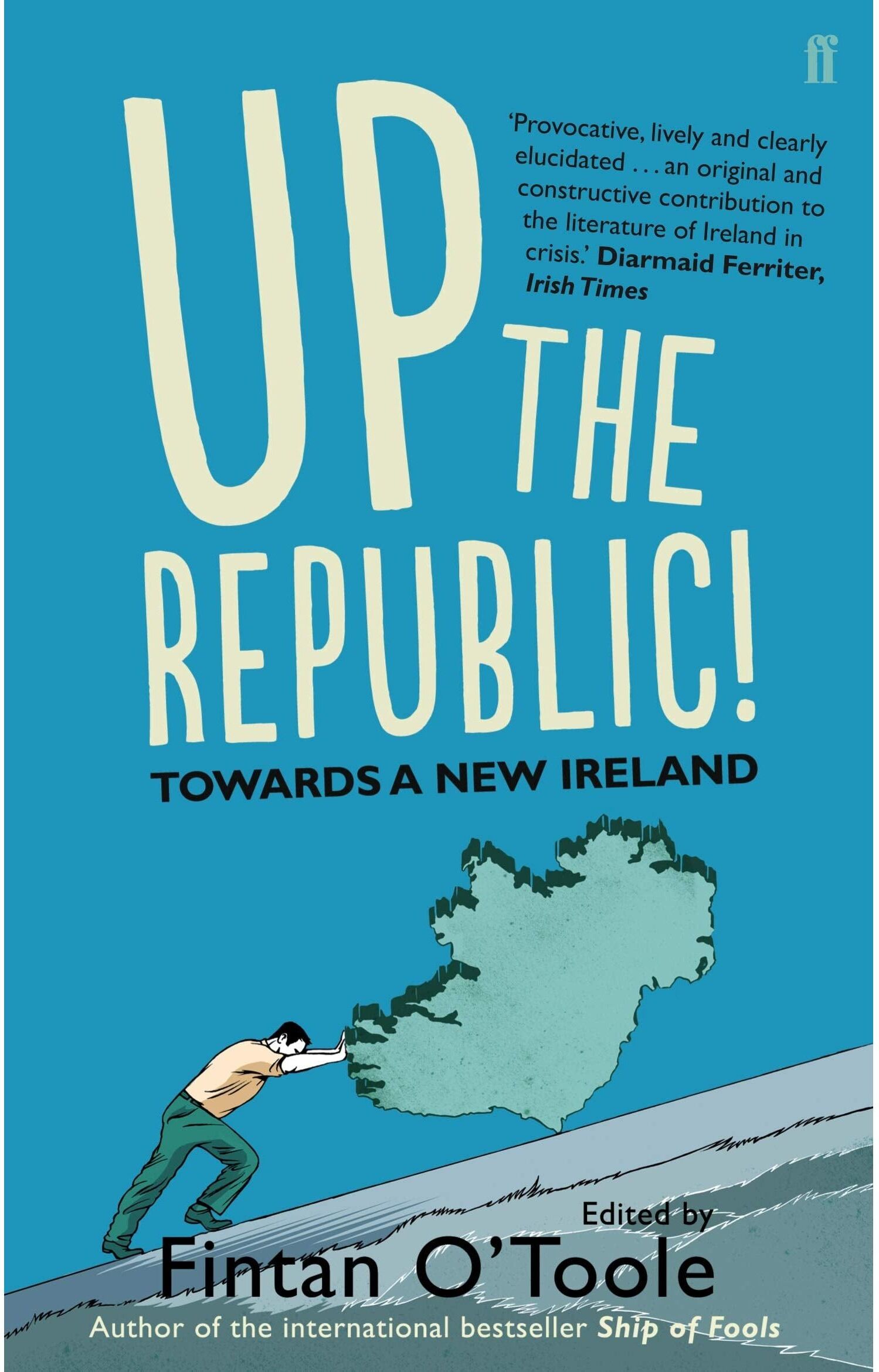
Faber Fintan O'Toole, Up the Republic! (Economic Book, Politics Book)Fintan O'Toole, Up the Republic! (Economic Book, Politics Book) In this important book, historians, lawyers, economists and writers come together to put a coherent case: that although the Irish economic collapse has resulted in national humiliation, renewed emigration and a decline in living standards for the majority of the population, there is still hope that the country can be reformed and renewed. Irish politicians offered the now notorious blanket guarantee to all the banks which had got in over their heads during the great property bubble - including one that had become little more than a criminal enterprise. A different set of politicians grimly enforces the consequences of that guarantee, locking an entire generation of Irish men and women into paying for the mistakes of greedy bankers and their corrupt friends in government. The energy of hope has to come from elsewhere. These essays demonstrate how simple measures and different economic and social policies could release that energy and fulfil the promise of an educated, literate and culturally vibrant people.4,99 £*Shipping: 1,99 £Secure redirect to the provider
-
Lookout Spiele Le Havre - Shipping Empire Board Game - Economic StrategyBuild a thriving shipping business in the bustling port of Le Havre. This strategic board game by Lookout Spiele challenges players to manage resources, develop buildings, and invest in ships as they expand their commercial empire. Each round presents important economic choices where players acquire goods, process resources, and use the harbour’s buildings to generate greater value. Careful planning is essential, as workers must be fed while investments and construction compete for limited funds and materials. Le Havre offers a weighty, decision-focused experience for players who enjoy detailed economic strategy and meaningful long-term planning. Its mechanisms reward efficient resource management, adaptable tactics, and well-timed investment. Key features include: economic strategy set in the port of Le Havre; management of goods, buildings, and ships; balancing worker food requirements with business growth; and the development of a shipping and industrial empire. Designed for players who enjoy complex strategic decisions.42,99 £*Shipping: 3,95 £Secure redirect to the provider
-
Lookout Spiele Grand Austria Hotel - Economic Strategy Board Game - Board GameWelcome to Vienna in the early twentieth century, where you will manage a small café with ambitions of becoming a prestigious hotel. In Grand Austria Hotel, players compete to attract guests, employ staff, and develop their hospitality businesses. Use dice-driven actions to gather the goods you need, prepare rooms, and serve guests. Careful planning is essential as you balance short-term opportunities with longer-term strategies for expanding your hotel and earning valuable bonuses. Choose actions based on the available dice results, collect the goods required to serve guests, and hire staff to prepare rooms for incoming visitors. Build an efficient hotel while pursuing objectives and bonus actions. The game combines resource management, strategic planning, and tactical decision-making for an engaging competitive experience. It is suitable for players who enjoy detailed economic strategy games with multiple routes to victory.43,99 £*Shipping: 3,95 £Secure redirect to the provider
-
Board and Dice Nucleum Energy Research Institute Board Game - Strategic Economic GameBuild an industrial empire in an alternate twentieth century transformed by the Uranium Revolution. In Nucleum: Energy Research Institute, you compete to develop powerful energy networks, attract investment, and earn the support of influential patrons. Plan your routes, expand your research, and connect cities as you develop increasingly ambitious technologies. Every decision affects your progress, from choosing where to construct facilities to deciding when to pursue new contracts and partnerships. Careful resource management and long-term planning are essential as you compete to become the most respected entrepreneur of the age. Key Features: - Strategic economic board game set during an alternate industrial revolution. - Develop energy networks and expand your influence across the map. \n- Balance research, investment, construction, and technological progress. \n- Compete for the support of powerful patrons. \n- Designed for strategic tabletop play.22,99 £*Shipping: 3,95 £Secure redirect to the provider


-
What is the economic impact when social spending increases?
When social spending increases, it can have both positive and negative economic impacts. On the positive side, increased social spending can stimulate economic growth by putting money into the hands of those who are most likely to spend it, boosting consumer demand. This can lead to increased business activity, job creation, and overall economic expansion. However, if social spending is not managed efficiently, it can also lead to higher government deficits and debt, which may have long-term negative consequences for the economy. Therefore, it is important for policymakers to strike a balance between increasing social spending to support those in need and ensuring fiscal sustainability. **
-
Can one combine teaching with economic and social geography?
Yes, one can combine teaching with economic and social geography. By incorporating economic and social geography into their teaching, educators can provide students with a more comprehensive understanding of how economic systems and social structures interact and shape the world around them. This interdisciplinary approach can help students develop critical thinking skills and a deeper appreciation for the complexities of global issues. Additionally, integrating economic and social geography into teaching can help students make connections between theory and real-world applications, preparing them for future careers in fields such as urban planning, international development, and environmental sustainability. **
-
How does economic growth occur in the economic cycle?
Economic growth occurs in the economic cycle through a combination of factors. During the expansion phase of the cycle, businesses invest in new equipment and technology, leading to increased productivity and output. This increased production leads to higher employment levels and consumer spending, further fueling economic growth. Additionally, during this phase, consumer and business confidence is high, leading to increased investment and spending. Overall, economic growth occurs as a result of increased production, employment, and investment during the expansion phase of the economic cycle. **
-
What are the ecological, economic, and social goals of companies?
Companies aim to achieve ecological goals by reducing their environmental impact through sustainable practices, such as minimizing waste and emissions. Economically, companies strive to be profitable and financially sustainable by maximizing revenue and minimizing costs. Socially, companies aim to contribute positively to society by creating jobs, supporting local communities, and upholding ethical business practices. Balancing these goals is crucial for companies to operate responsibly and sustainably in the long term. **

What are the economic and ecological aspects of social media?
The economic aspects of social media include its role in advertising and marketing, as businesses use platforms like Facebook and Instagram to reach potential customers. Social media also creates job opportunities in fields such as digital marketing and content creation. However, it can also lead to economic challenges, such as the spread of misinformation impacting consumer trust and the potential for addiction and mental health issues. Ecologically, social media has both positive and negative impacts. On one hand, it reduces the need for paper-based communication and physical travel, which can lower carbon emissions. On the other hand, the energy consumption of data centers that support social media platforms can have a significant environmental impact. Additionally, the disposal of electronic devices used to access social media can contribute to electronic waste. **
Do foreigners have no blame for social and economic problems?
Foreigners can certainly contribute to social and economic problems in a country, but they are not solely to blame. Many factors, including domestic policies, historical context, and global economic forces, play a role in shaping a country's social and economic landscape. It is important to consider the complexities of these issues and avoid scapegoating foreigners for all social and economic problems. Instead, it is more productive to work towards understanding and addressing the root causes of these problems in a holistic manner. **
Top-Angebote
Products related to Economic:
-
Thomas Sowell Collection 2 Books Set Social Justice Fallacies(HB),Economic FactsDescription. Economic Facts and Fallacies: Second Edition. Economic Facts and Fallacies exposes some of the most popular fallacies about economic issues-and does so in a lively manner and without requiring any prior knowledge of economics by the reader. These include many beliefs widely disseminated in the media and by politicians, such as mistaken ideas about urban problems, income differences, male-female economic differences, as well as economics fallacies about academia, about race, and about Third World countries. One of the themes of Economic Facts and Fallacies is that fallacies are not simply crazy ideas but in fact have a certain plausibility that gives them their staying power-and makes careful examination of their flaws both necessary and important, as well as sometimes humorous. Written in the easy-to-follow style of the author's Basic Economics, this latest book is able to go into greater depth, with real world examples, on specific issues.. Social Justice Fallacies. The quest for social justice is a powerful crusade of our time, with an appeal to many different people, for many different reasons. But those who use the same words do not always present the same meanings. Clarifying those meanings is the first step toward finding out what we agree on and disagree on. From there, it is largely a question of what the facts are. Social Justice Fallacies reveals how many things that are thought to be true simply cannot stand up to documented facts, which are often the opposite of what is widely believed.However attractive the social justice vision, the crucial question is whether the social justice agenda will get us to the fulfillment of that vision. History shows that the social justice agenda has often led in the opposite direction, sometimes with catastrophic consequences..... Title. Thomas Sowell Collection 2 Books Set Social Justice Fallacies(HB),Economic Facts. Delivery. Content. Reviews40,99 £*Shipping: 0,00 £Secure redirect to the provider
-
Roxley Games Brass: Birmingham - Economic Strategy Board Game - cottonBrass: Birmingham is an economic strategy board game set in Birmingham during the Industrial Revolution. Players take on the roles of competing entrepreneurs developing industries, building networks, and managing resources as the city changes over time. As a strategy sequel to Brass, this game challenges players to plan carefully across two distinct periods. Construct industries, establish connections, and develop opportunities while responding to the changing demands of the marketplace. Designed by Martin Wallace and published by Roxley Games, this physical tabletop game measures approximately 30 × 29.8 × 5.2 cm.67,49 £*Shipping: 0,00 £Secure redirect to the provider
-
Faber Fintan O'Toole, Up the Republic! (Economic Book, Politics Book)Fintan O'Toole, Up the Republic! (Economic Book, Politics Book) In this important book, historians, lawyers, economists and writers come together to put a coherent case: that although the Irish economic collapse has resulted in national humiliation, renewed emigration and a decline in living standards for the majority of the population, there is still hope that the country can be reformed and renewed. Irish politicians offered the now notorious blanket guarantee to all the banks which had got in over their heads during the great property bubble - including one that had become little more than a criminal enterprise. A different set of politicians grimly enforces the consequences of that guarantee, locking an entire generation of Irish men and women into paying for the mistakes of greedy bankers and their corrupt friends in government. The energy of hope has to come from elsewhere. These essays demonstrate how simple measures and different economic and social policies could release that energy and fulfil the promise of an educated, literate and culturally vibrant people.4,99 £*Shipping: 1,99 £Secure redirect to the provider
-
Lookout Spiele Le Havre - Shipping Empire Board Game - Economic StrategyBuild a thriving shipping business in the bustling port of Le Havre. This strategic board game by Lookout Spiele challenges players to manage resources, develop buildings, and invest in ships as they expand their commercial empire. Each round presents important economic choices where players acquire goods, process resources, and use the harbour’s buildings to generate greater value. Careful planning is essential, as workers must be fed while investments and construction compete for limited funds and materials. Le Havre offers a weighty, decision-focused experience for players who enjoy detailed economic strategy and meaningful long-term planning. Its mechanisms reward efficient resource management, adaptable tactics, and well-timed investment. Key features include: economic strategy set in the port of Le Havre; management of goods, buildings, and ships; balancing worker food requirements with business growth; and the development of a shipping and industrial empire. Designed for players who enjoy complex strategic decisions.42,99 £*Shipping: 3,95 £Secure redirect to the provider
-
What are social, economic, and moral incentives?
Social incentives are rewards or punishments that come from interactions with others, such as approval or disapproval from peers. Economic incentives are rewards or punishments that come from financial gains or losses, such as receiving a bonus for meeting a sales target. Moral incentives are rewards or punishments that come from adhering to or violating ethical principles, such as feeling guilt for cheating or pride for helping others. These incentives can influence behavior and decision-making in various aspects of life. **
-
How are economic cycles and economic growth related?
Economic cycles and economic growth are closely related. Economic cycles refer to the fluctuations in economic activity, including periods of expansion and contraction. Economic growth, on the other hand, refers to the long-term increase in a country's output of goods and services. During an economic expansion phase of the cycle, there is typically higher economic growth, as businesses invest and consumer spending increases. Conversely, during a contraction phase, economic growth tends to slow down or even turn negative. Therefore, economic cycles can have a significant impact on the overall level of economic growth in a country. **
-
What is the economic impact when social spending increases?
When social spending increases, it can have both positive and negative economic impacts. On the positive side, increased social spending can stimulate economic growth by putting money into the hands of those who are most likely to spend it, boosting consumer demand. This can lead to increased business activity, job creation, and overall economic expansion. However, if social spending is not managed efficiently, it can also lead to higher government deficits and debt, which may have long-term negative consequences for the economy. Therefore, it is important for policymakers to strike a balance between increasing social spending to support those in need and ensuring fiscal sustainability. **
-
Can one combine teaching with economic and social geography?
Yes, one can combine teaching with economic and social geography. By incorporating economic and social geography into their teaching, educators can provide students with a more comprehensive understanding of how economic systems and social structures interact and shape the world around them. This interdisciplinary approach can help students develop critical thinking skills and a deeper appreciation for the complexities of global issues. Additionally, integrating economic and social geography into teaching can help students make connections between theory and real-world applications, preparing them for future careers in fields such as urban planning, international development, and environmental sustainability. **
Similar search terms for Economic
-
Lookout Spiele Grand Austria Hotel - Economic Strategy Board Game - Board GameWelcome to Vienna in the early twentieth century, where you will manage a small café with ambitions of becoming a prestigious hotel. In Grand Austria Hotel, players compete to attract guests, employ staff, and develop their hospitality businesses. Use dice-driven actions to gather the goods you need, prepare rooms, and serve guests. Careful planning is essential as you balance short-term opportunities with longer-term strategies for expanding your hotel and earning valuable bonuses. Choose actions based on the available dice results, collect the goods required to serve guests, and hire staff to prepare rooms for incoming visitors. Build an efficient hotel while pursuing objectives and bonus actions. The game combines resource management, strategic planning, and tactical decision-making for an engaging competitive experience. It is suitable for players who enjoy detailed economic strategy games with multiple routes to victory.43,99 £*Shipping: 3,95 £Secure redirect to the provider
-
Board and Dice Nucleum Energy Research Institute Board Game - Strategic Economic GameBuild an industrial empire in an alternate twentieth century transformed by the Uranium Revolution. In Nucleum: Energy Research Institute, you compete to develop powerful energy networks, attract investment, and earn the support of influential patrons. Plan your routes, expand your research, and connect cities as you develop increasingly ambitious technologies. Every decision affects your progress, from choosing where to construct facilities to deciding when to pursue new contracts and partnerships. Careful resource management and long-term planning are essential as you compete to become the most respected entrepreneur of the age. Key Features: - Strategic economic board game set during an alternate industrial revolution. - Develop energy networks and expand your influence across the map. \n- Balance research, investment, construction, and technological progress. \n- Compete for the support of powerful patrons. \n- Designed for strategic tabletop play.22,99 £*Shipping: 3,95 £Secure redirect to the provider
-
Crowd Games Nippon Zaibatsu Strategic Economic Board Game Ages 15+ 1-4 PlayersBuild an industrial powerhouse. Nippon: Zaibatsu is a strategic economic board game set during Japan’s Industrial Revolution. Take charge of a powerful zaibatsu, investing in connected businesses as you seek influence across a rapidly modernising nation. Shape your strategy by developing industries, establishing factories, laying railways, and manufacturing goods for local markets. Complete contracts, pursue valuable bonuses, and decide where your conglomerate’s strengths will lie. The choices you make influence both the pace of play and the ways you can score, creating room for different long-term plans. This updated edition revisits the foundations of Nippon with refreshed presentation and reworked systems. New resource types, revised ship mechanisms, Iwakura missions, more varied factories, and rewarding consolidation turns add further decisions to each game. An automa-driven solo mode also lets one player take on the challenge. Key features: For 1–4 players Recommended for ages 15+ Playing time: 60–120 minutes63,49 £*Shipping: 0,00 £Secure redirect to the provider
-
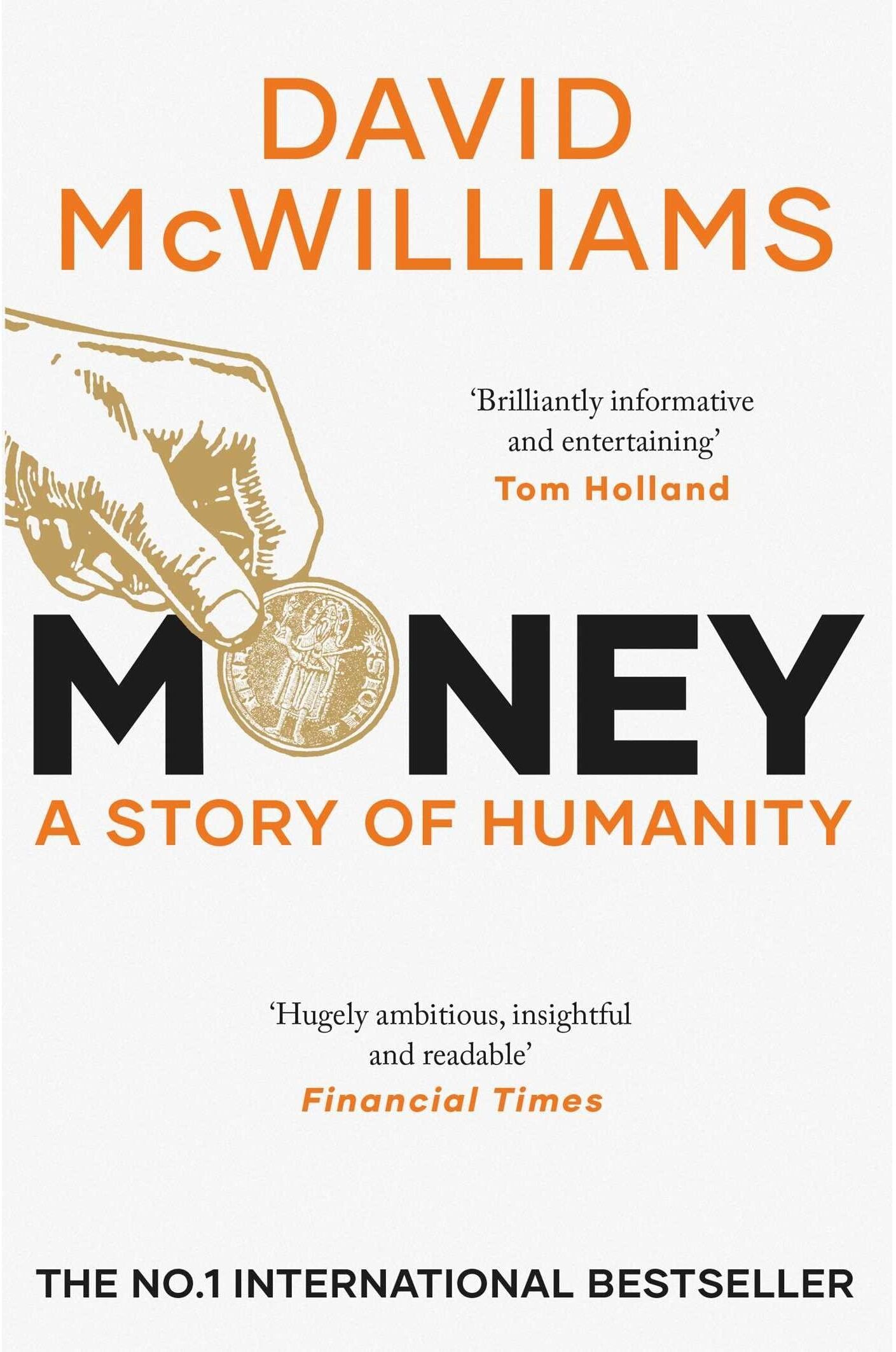
Simon & Schuster Money: A Story of Humanity by David McWilliams Economic History & Global Finance ExplainedIn Money: A Story of Humanity, renowned economist David McWilliams explores the fascinating history of money — not just as currency, but as a powerful force that has shaped human civilisation, relationships, technology, and global society. From ancient barter systems to cryptocurrency revolutions, McWilliams reveals how money reflects our values, ambitions, fears, politics, and culture.Rich with storytelling, sharp insights, and humour, this book makes complex economic ideas accessible, engaging, and deeply human. Perfect for readers who enjoy exploring how history, psychology, markets, and power intersect, Money: A Story of Humanity provides a fresh, eye-opening look at how money drives — and is driven by — human behaviour. Ideal for fans of Yuval Noah Harari, Tim Harford, Niall Ferguson, and Mary Beard.7,99 £*Shipping: 2,99 £Secure redirect to the provider
-
How does economic growth occur in the economic cycle?
Economic growth occurs in the economic cycle through a combination of factors. During the expansion phase of the cycle, businesses invest in new equipment and technology, leading to increased productivity and output. This increased production leads to higher employment levels and consumer spending, further fueling economic growth. Additionally, during this phase, consumer and business confidence is high, leading to increased investment and spending. Overall, economic growth occurs as a result of increased production, employment, and investment during the expansion phase of the economic cycle. **
-
What are the ecological, economic, and social goals of companies?
Companies aim to achieve ecological goals by reducing their environmental impact through sustainable practices, such as minimizing waste and emissions. Economically, companies strive to be profitable and financially sustainable by maximizing revenue and minimizing costs. Socially, companies aim to contribute positively to society by creating jobs, supporting local communities, and upholding ethical business practices. Balancing these goals is crucial for companies to operate responsibly and sustainably in the long term. **
-
What are the economic and ecological aspects of social media?
The economic aspects of social media include its role in advertising and marketing, as businesses use platforms like Facebook and Instagram to reach potential customers. Social media also creates job opportunities in fields such as digital marketing and content creation. However, it can also lead to economic challenges, such as the spread of misinformation impacting consumer trust and the potential for addiction and mental health issues. Ecologically, social media has both positive and negative impacts. On one hand, it reduces the need for paper-based communication and physical travel, which can lower carbon emissions. On the other hand, the energy consumption of data centers that support social media platforms can have a significant environmental impact. Additionally, the disposal of electronic devices used to access social media can contribute to electronic waste. **
-
Do foreigners have no blame for social and economic problems?
Foreigners can certainly contribute to social and economic problems in a country, but they are not solely to blame. Many factors, including domestic policies, historical context, and global economic forces, play a role in shaping a country's social and economic landscape. It is important to consider the complexities of these issues and avoid scapegoating foreigners for all social and economic problems. Instead, it is more productive to work towards understanding and addressing the root causes of these problems in a holistic manner. **
* All prices are inclusive of VAT and, if applicable, plus shipping costs. The offer information is based on the details provided by the respective shop and is updated through automated processes. Real-time updates do not occur, so deviations can occur in individual cases. ** Note: Parts of this content were created by AI.